I love discovering more about local, traditional architectural practices in general, but especially in Japan where there is just so much to experience. So many layers of history and refinement in every sense of the word, put into practice over thousands of years. It's truly remarkable.
Last year, we stayed at a machiya type house in Kyoto, Japan. It was renovated to add a contemporary feel, but certainly kept all its historical charm. Machiya (町家) are traditional wooden row houses found throughout Japan. They’re literally townhouses — the word machiya is made up of the characters for “town” (machi 町) and house (ya 家). Machiya have existed in Japan for more than a thousand years, since at least the Heian period (794-1185), but their style has developed continuously though modern times. Source. Further reading here and here.
If you are interested, details of the specific property we booked are linked at the very bottom of this post.
My personal favourite detail about spending time in this space was how well the sunlight travelled through the space, through the private garden in the front, and then streaming down the walls of the narrow and deep interior. The floor of the genkan (entrance) space was almost like a light show at times with the leafy shadow play, or komorebi (木漏れ日). 
Machiya were born out of the city’s growing merchant class, they functioned as both residences and workspaces. Deep and narrow, with a shop in the front and a variety of living spaces in the rear, they once lined Kyoto’s streets. Incorporating interior gardens and inviting light and air, the machiya fostered a culture that integrated urban living and commerce. Source.
Peckish, so I picked up a fruit sando from the conbini (convenience store) across the street! Was a bit too decadent for my tastes but extremely photogenic.
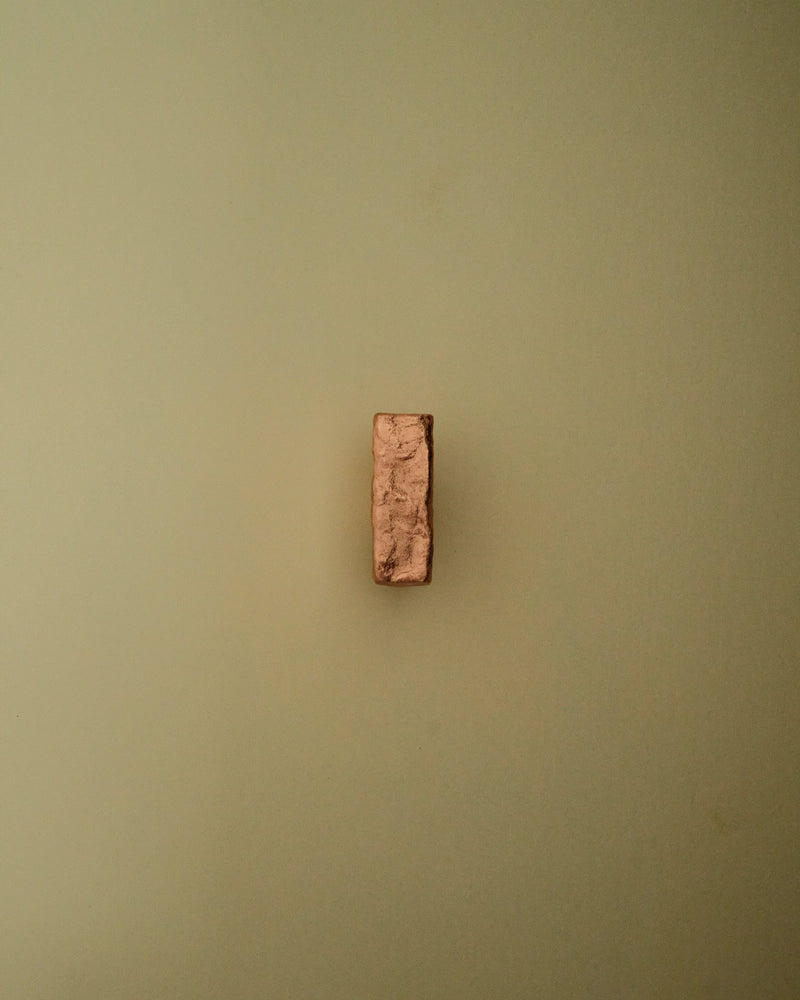
Of course, we had to shoot some of our hardware pieces throughout the lovely space. Both interior and exterior provided beautiful, manicured scenery to use as a backdrop. Love that the texture of the shoji paper was captured so well in my film shot!


They also provided these striking geta / sandals to wear outside the property. Traditionally geta featured a high, elevated wood base to keep feet dry and away from the ground, these ones were modified a bit for wearability. Still cute though!


I loved shooting film in this space! The photos turned out so well. The light was beautiful, diffused but just right for Portra 400 (my favourite film to use) and the wooden details with the shoji paper doors - just marvelous!

This is the exact machiya we booked. The company is called TABI TABI - tabi meaning journey. Here is their Instagram as well.
We hope you love it just as much as we did. Bon voyage, or 行ってらっしゃい (itte irasshai)!
kyoto machiya
By Maha Alavi